

JEŻ
wg Katarzyny Kotowskiej
Spektakl inspirowany książkami “Wieża z klocków” i “Jeż”
reżyseria: Janusz Ryl-Krystianowski
scenografia: Buba Tomala
muzyka: Robert Łuczak
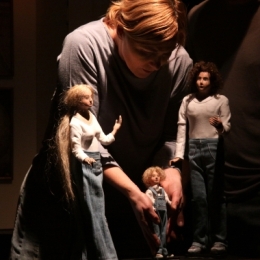
Kobieta i Mężczyzna adoptują Synka – kolczaste dziecko, zamknięte w sobie, nieufne wobec świata, nie umiejące okazywać uczuć i chociaż spragnione czułości, to raniące bliskich przy kolejnych próbach przytulenia. Pod wpływem mądrej, troskliwej opieki przybranych rodziców mały „jeż” traci kolce,uczy się żyć wśród kochających ludzi, dorasta i staje się gotowy, by wyjść na spotkanie świata.
Spektakl powstał na podstawie książek Katarzyny Kotowskiej: „Jeż” i „Wieża z klocków”.
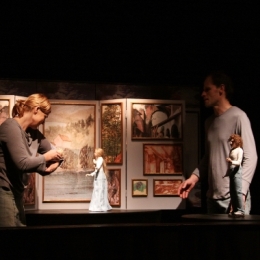
Malarska, intrygująca scenografia Buby Tomali uruchamia uniwersalny, kulturowy kontekst dla poruszanych problemów. Obce dziecięcemu doświadczeniu, a trudne i bolesne dla dorosłych, sprawy zostały opowiedziane językiem teatralnej metafory, poetyckim znakiem, obrazem i dźwiękiem.
THE HEDGEHOG
by Katarzyna Kotowska
inspired by the works “A tower of blocks” and “The Hedgehog”
direction: Janusz Ryl-Krystianowski
stage design: Buba Tomala
music: Robert Łuczak
A Woman and a Man adopt a Son – a prickly child, very withdrawn, distrustful of the world, unable to express feelings and, although craving affection, constantly hurting those who so much as try and give him a cuddle. Under the wise and thoughtful care of his foster parents, the little “hedgehog-boy” loses his thorns and learns how to live among those who love him; he matures and becomes ready to face the world.
The production was inspired by two books by Katarzyna Kotowska: “The Hedgehog” and “A tower of blocks”.
The painterly stage design by Buba Tomala lets us see the problems of the play in a universal cultural context. The issues, which the children remain unaware of, which at the same time are very painful for the parents, are presented using the language of a theatrical metaphor, through poetry, image and sound. The production tries to not only familiarize the young viewers with the difficult topic of adoption, but also make them aware of other people’s feelings. The thorns appear when people feel rejected, sad, when they lack love. We are afraid of many things and that is why we create this protective barrier. We often don’t see our own thorns, but I believe everybody has them. They appear, because we think they will keep us safe – an excerpt from the boy’s answer when asked about what “thorns” are.